
Yes, you can invest in mutual funds even with irregular income—and in many cases, it can work to your advantage. By aligning your investments with your cash flow instead of following rigid monthly SIPs, you gain more flexibility, better control over timing, and smarter allocation of surplus funds.
Traditional financial advice often assumes a fixed monthly salary and rigid Systematic Investment Plans (SIPs). That model does not always work for freelancers, gig workers, or business owners whose income fluctuates. In such cases, it’s common to miss your SIP payments due to inconsistent cash flow, which can disrupt long-term investment goals. The solution lies in adapting your investment strategy to match your cash flow, not forcing your cash flow to fit a fixed investment schedule.
Understanding the Core Challenge
When income is unpredictable, the biggest concern is consistency. Missing SIP payments, struggling to maintain monthly investments, or dipping into investments during lean months can disrupt long-term financial goals.
The real issue is not the lack of money—it is the lack of structure. Once a system is built around irregular income, investing in mutual funds becomes not only manageable but highly effective.
The Shift: From Fixed SIPs to Flexible Investing
A rigid monthly SIP may create unnecessary pressure if your income does not follow a predictable pattern. However, it’s important to remember that a SIP is safe for long-term investing, especially when approached with flexibility. Instead of fixed commitments, the focus should shift toward investing methods that align with your real earnings and cash flow.
What changes in approach?
- Investing becomes event-based (when money comes in) rather than date-based
- Contribution amounts vary depending on income cycles
- Financial discipline comes from planning, not automation alone
This approach reduces stress while maintaining long-term investment consistency.
The “Cash Flow System” That Makes It Work
A structured system helps convert irregular income into a predictable financial plan, especially after starting an SIP, when consistency becomes more important than fixed amounts. This can be understood through a three-layer framework:
1. Survival Fund (Essential Expenses Buffer)
This is the foundation. It ensures that your basic expenses are covered even when income slows down.
- Covers 6–12 months of expenses (or up to 24 months for higher uncertainty)
- Stored in liquid funds or savings instruments
- Prevents premature withdrawal from long-term investments
Without this buffer, even the best investment strategy can fail during income gaps.
2. Investment Feeder Account
This acts as a bridge between income and investments.
- All incoming earnings are first routed here
- Surplus funds are allocated periodically
- Helps separate spending money from investment capital
This structure creates clarity and prevents impulsive financial decisions.
3. Growth Portfolio (Mutual Funds)
This is where long-term wealth is built.
- Equity funds for long-term growth
- Debt funds for stability and short-term goals
- Balanced allocation based on risk tolerance
The key is consistency over time, not timing the market perfectly.
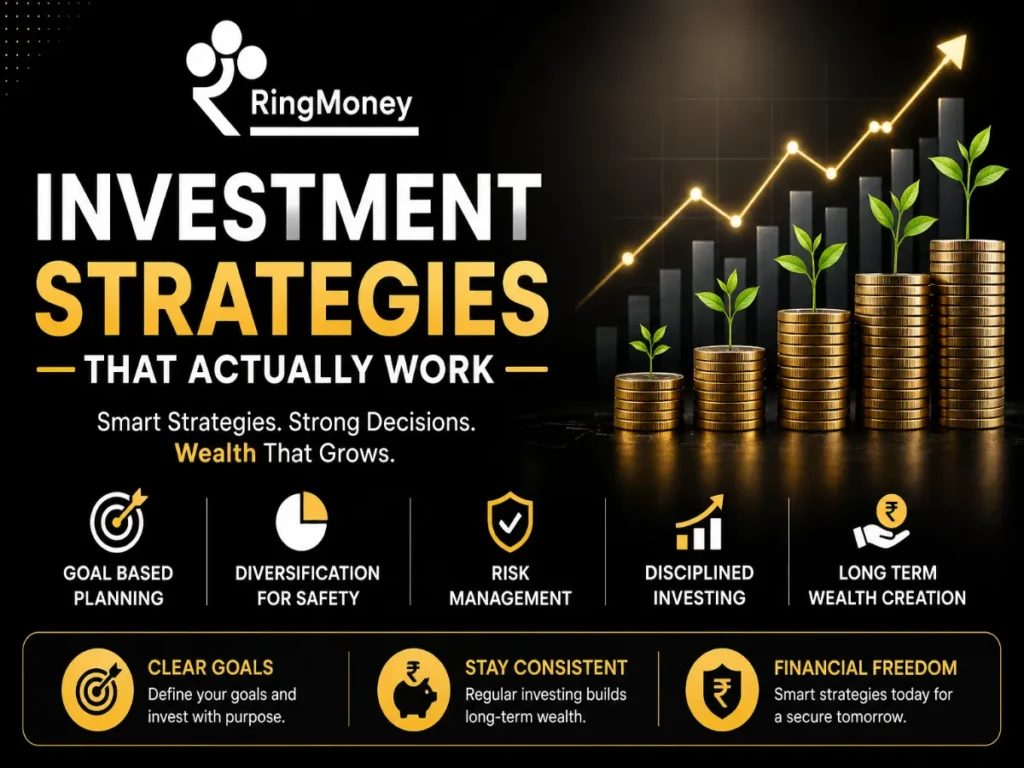
Investment Strategies That Actually Work
Instead of relying on one method, combining multiple strategies creates flexibility and resilience.
Flexible SIPs or Variable Contributions
Rather than committing to a fixed SIP amount, it is better to start investing with small amounts that you can comfortably manage even during low-income months. As your income improves, you can gradually increase your contributions during high-earning periods.
Why it works:
It maintains discipline without creating financial strain.
Lump Sum Investing During High-Income Months
When income exceeds expectations, allocate a portion directly into mutual funds.
- Ideal for bonuses, large payments, or seasonal income spikes
- Can be invested immediately or staggered over time
Best practice: Avoid holding large idle cash for too long, as it reduces potential returns.
Systematic Transfer Plan (STP)
For those cautious about market timing, lump sums can first be parked in a debt or liquid fund and then gradually transferred to equity funds. This approach helps reduce risk while allowing you to build long-term wealth in a more structured and disciplined way.
- Reduces market timing risk
- Creates a structured investment flow
- Suitable during volatile market conditions
Managing Monthly Expenses Like a Salary
One of the most effective techniques is to create a self-generated salary system.
- Decide on a fixed monthly amount for expenses
- Withdraw it from your buffer or liquid fund
- Treat it like a regular paycheck
This creates stability in daily life while allowing investments to grow separately.
Budgeting for Irregular Income
A static budget does not work when income fluctuates. Instead, a dual-budget approach is more practical, allowing you to manage essentials while also setting aside funds to explore latest NFO opportunities when your cash flow is stronger.
Two-Tier Budget System
Scenario | Strategy |
High-Income Months | Invest aggressively, save surplus |
Average Months | Maintain baseline investments |
Low-Income Months | Pause investments, rely on the buffer |
This ensures financial balance across different income cycles.
Asset Allocation: The Real Growth Driver
Chasing trending funds or high returns often leads to poor decisions. A well-balanced portfolio is far more important.
Suggested Allocation Approach
- Equity Funds: Long-term goals (5+ years)
- Debt Funds: Stability and short-term needs
- Gold or Alternatives: Diversification
The principle is simple: diversification reduces risk while maintaining growth potential.
The Role of Emergency Planning
With irregular income, uncertainty is higher. This makes risk management non-negotiable.
Key protections to prioritise:
- Health insurance to avoid medical financial shocks
- Term insurance for dependents
- Emergency fund for income gaps
These are not optional safeguards—they are essential pillars of financial stability.
Common Mistakes to Avoid
Even with the right strategy, certain mistakes can slow down progress.
- Mixing personal and business finances
- Investing without building an emergency fund
- Overcommitting to fixed SIPs
- Holding excess idle cash instead of investing
- Ignoring asset allocation
Avoiding these mistakes is just as important as choosing the right investments.
Where Technology Simplifies the Process
Managing irregular income manually can quickly become complex. Tracking inflows, deciding when to invest, and maintaining discipline requires consistent effort—especially when choosing between the growth vs reinvestment option, which can significantly impact your overall returns.

This is where we see platforms like RingMoney making a practical difference. Instead of forcing rigid structures, we find that tools like RingMoney allow investors to adapt investments based on actual income flow—whether through flexible contributions or easy lump-sum deployment.
The convenience of managing mutual fund investments in one place, without the pressure of fixed mandates, aligns well with the needs of individuals who do not earn a predictable monthly salary. This flexibility also makes it easier to choose the right mutual fund based on your goals, risk appetite, and changing financial situation.
A Smarter Way to Stay Consistent
Consistency does not mean investing the same amount every month. It means staying committed to the process over time, regardless of income fluctuations.
A simple action framework:
- Invest a percentage of income, not a fixed number
- Build and maintain a strong emergency buffer
- Increase investments during peak earning periods
- Stay invested for the long term
This approach adapts to your life instead of restricting it.
Long-Term Perspective: What Really Matters
Wealth creation through mutual funds is not about perfect timing or perfect consistency. It is about:
- Time in the market
- Disciplined allocation
- Avoiding panic decisions
Irregular income may feel like a disadvantage in the short term, but over time, it can allow greater control and smarter investment decisions.
Taking the First Step
Starting is often the hardest part, especially when income feels unpredictable. But the reality is simple—waiting for stability before investing often delays wealth creation indefinitely. In fact, this is one of the common SIP mistakes that prevents people from building consistent, long-term wealth.
A structured approach, combined with the right tools, can simplify the entire journey. We believe platforms like RingMoney can play a supportive role here by enabling flexible investing without unnecessary complexity, making it easier to take action when the opportunity arises.
Final Thought
Financial stability is not defined by how regularly you earn, but by how effectively you manage what you earn.
Mutual fund investing with irregular income is not only possible—it can be highly efficient when approached with the right system. By focusing on flexibility, discipline, and long-term goals, you can build a portfolio that grows steadily, regardless of how unpredictable your income may be.
Disclaimer: This content is for informational purposes only and should not be considered financial advice. Please consult a qualified financial advisor or a SEBI-registered investment professional before making investment decisions.
For regular investment tips, SIP updates, and simple money guidance, follow us on Instagram and explore the link in our bio to get started instantly.
Frequently Asked Questions
Can irregular income actually outperform fixed SIP investing over time?
Yes, if managed well. Irregular income allows you to invest larger amounts during high-earning periods, which can increase overall market exposure and potentially enhance long-term returns compared to fixed, smaller SIPs.
How do you decide how much to invest when income keeps changing?
A practical approach is to invest a fixed percentage of each inflow rather than a fixed amount. This ensures you stay consistent without putting pressure on your finances during low-income periods.
Is it risky to pause investments during low-income months?
Not necessarily. Pausing investments temporarily is better than redeeming existing investments, as it allows your portfolio to remain intact and continue compounding over time.
How can one stay disciplined without a fixed investment schedule?
Discipline comes from having a system, not a date. Automating decisions—like allocating surplus immediately after income is received—helps maintain consistency without relying on monthly reminders.
What is the biggest advantage of using flexible investment platforms?
They remove the pressure of fixed commitments and allow you to act instantly when you have surplus funds. This flexibility makes it easier to stay invested and aligned with your real cash flow.